

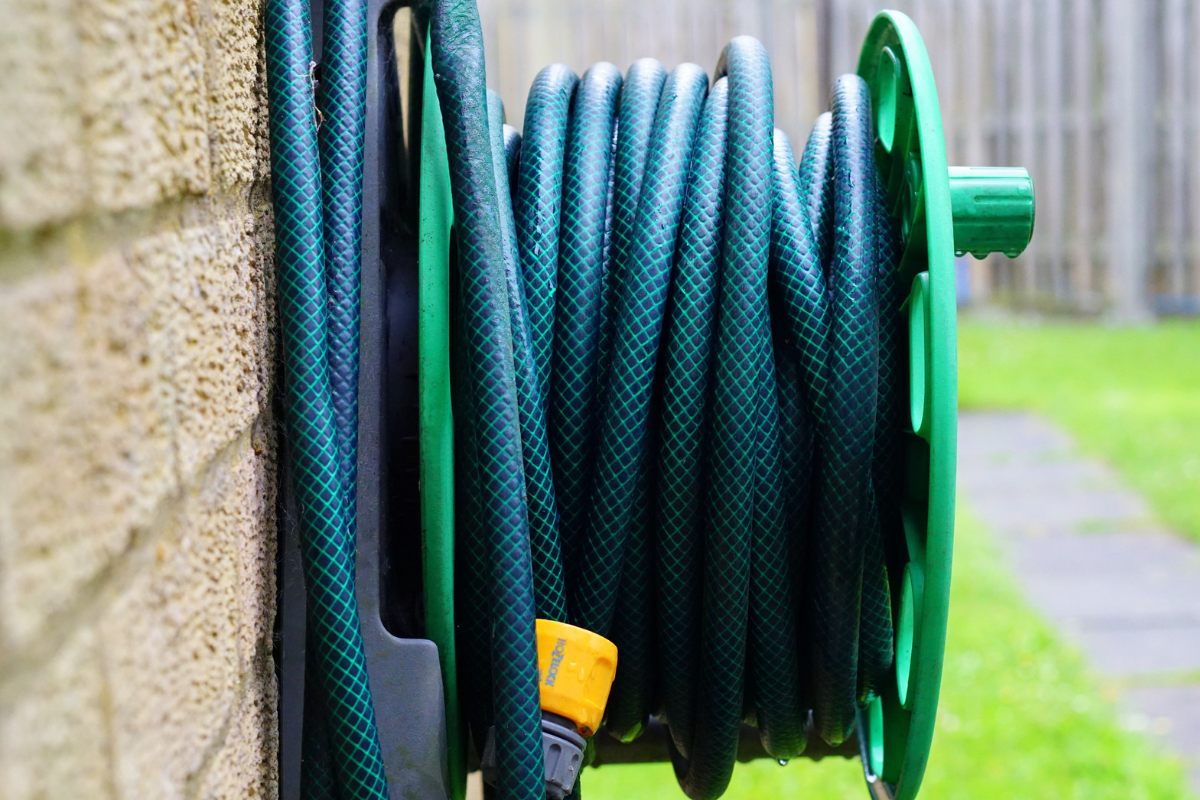
Temporary hosepipe restrictions across Yorkshire, introduced on 11 July following the driest spring in 132 years and a record-breaking warm summer, are being lifted today (10 December).
Reservoir levels are now 91.6%, and Hull aquifer levels are at 77%. This means that available water resources across reservoirs, rivers, and groundwater sources are above average for this time of year (85.1%), and restrictions can safely be lifted.
Ending the restrictions follows 14 weeks of sustained increases to reservoir levels, which had dropped to 30.6% at their lowest point.
Yorkshire Water says that without the company’s drought management plan, the grid system which moves water around the region and customers’ water saving actions, it is estimated that reservoirs could have dropped to as low as 17.6%.
While the hosepipe restrictions were in place, Yorkshire Water says it fixed almost 15,000 leaks - managing to fix them over a third quicker by employing 100 additional leakage detectors. It says a leak was repaired every 25 minutes between April and December.
- Hosepipe restrictions have helped save around 3.1 billion litres of water, or the equivalent of 69 days of York’s average usage, 36 days of Hull’s average usage, 33 days of Sheffield’s average usage or 21 days of Leeds’ average usage
- 22 reservoirs dropped below 20%, including Scar House, Thruscross, Baitings and Broomhead
- Between April and October, 28 drought permits and orders across 26 reservoirs and two rivers were implemented. It is estimated these measures helped hold back an extra 4 billion litres of water in reservoirs
- The highest daily demand was 1.479 billion litres on 20 June 2025 – approximately 200 million litres above the average daily supply for Yorkshire
Dave Kaye, director of water and wastewater at Yorkshire Water, said:
“We are incredibly grateful to our customers for their efforts to save water throughout the dry spring and summer, and into the wetter months.
“When restrictions were first introduced and the weather was warm, customer usage went down by 10%, taking pressure off our reservoirs. Continuing those water-saving actions when we finally started seeing rainfall, as well as us making use of drought orders and permits, meant that our reservoirs could recover as much as possible – and it’s part of the reason why we’re able to end the restrictions earlier than we initially thought. While the restrictions are lifting it is important people continue to think about their water usage and consider using water wisely throughout the year, not just during periods of drought and hot weather.”
Yorkshire Water says that customers are now able to use water as usual, with the end of the restrictions coming into effect immediately. Drought permit activity at Yorkshire Water’s reservoirs and the region’s rivers has also ended.
Dave added:
“While we are back to normal, we’re continuing our work to manage our water resources carefully both in the weeks and months ahead, and over the long-term so that we can meet growing demand for water in an increasingly challenging climate. This means continuing to bring down leakage, with a £38m investment planned over the next five years, and progressing our plans to bring additional sources of water into our network through the installation of new boreholes and storage reservoirs.”

 Free School Uniform Giveaway Returns To Scarborough This Week
 Salvaged Peasholm Park Illuminations Go On Display After Storm Boelo Cancellations
 Extracurricular Opportunities Set To Expand For Pupils In Scarborough And Whitby
 New Floodlit Sports Hub Approved For Hunmanby Playing Fields
 Concerns Public Say On New Housing Reduced As Planning Rules Shift To Officers
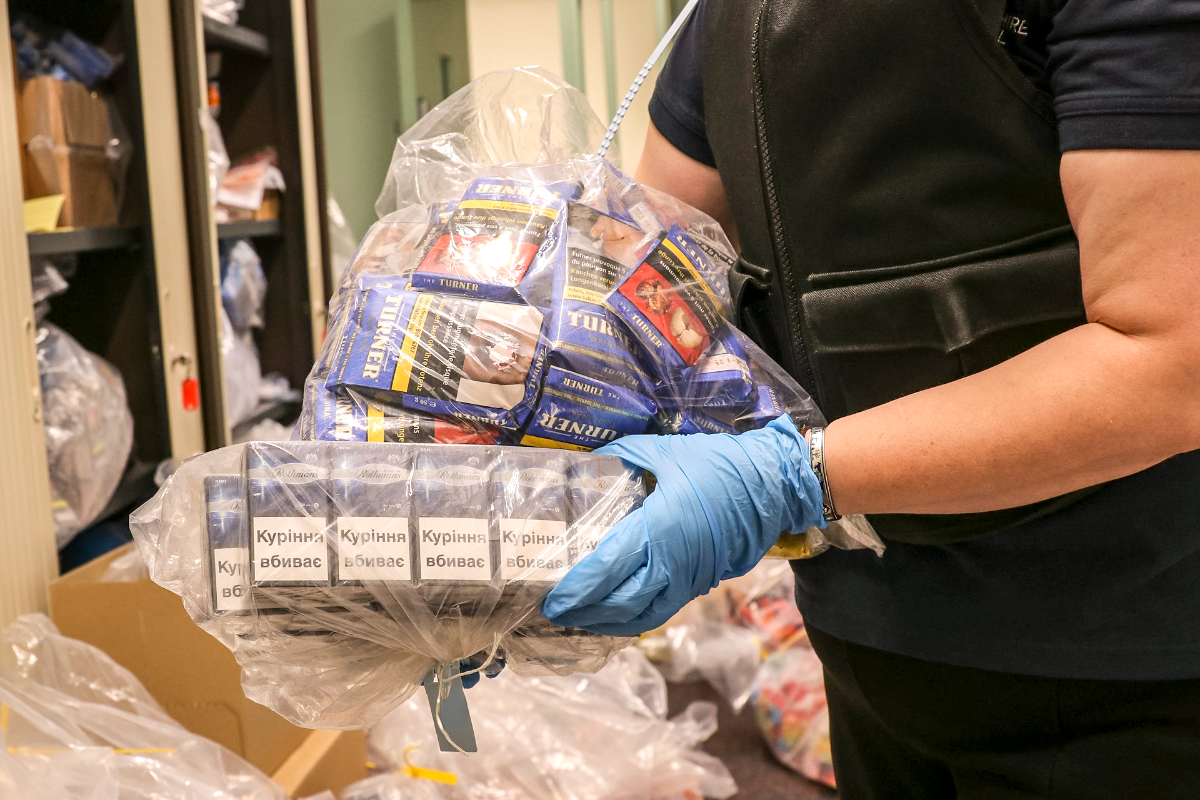 Illegal Vape and Tobacco Sellers Face New Penalties Across North Yorkshire
 Communities Praised After Severe Autumn Storms Batter The Yorkshire Coast
 Future Housing And Jobs To Be Shaped By New County-Wide Blueprint
 Library Light Therapy Kits Roll Out To Tackle Winter Blues In North Yorkshire
 National League North Tests For Bridlington & Scarborough In FA Trophy 2nd Round Draw
 A174 Lythe Bank Closes For Five Days With Replacement Shuttle Buses Serving Whitby
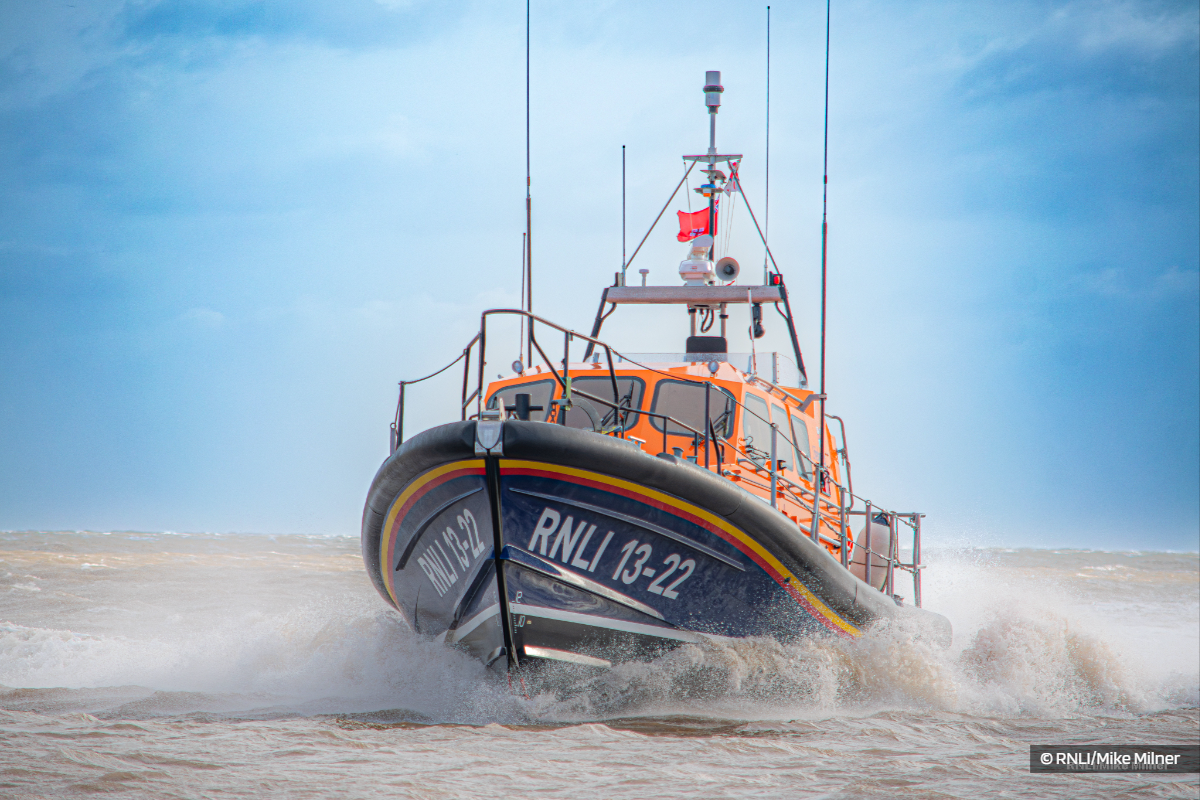 Lifeboat Crews Battle Storm Boelo After Emergency Beacon Alert Off Flamborough Head
















Comments
Add a comment