

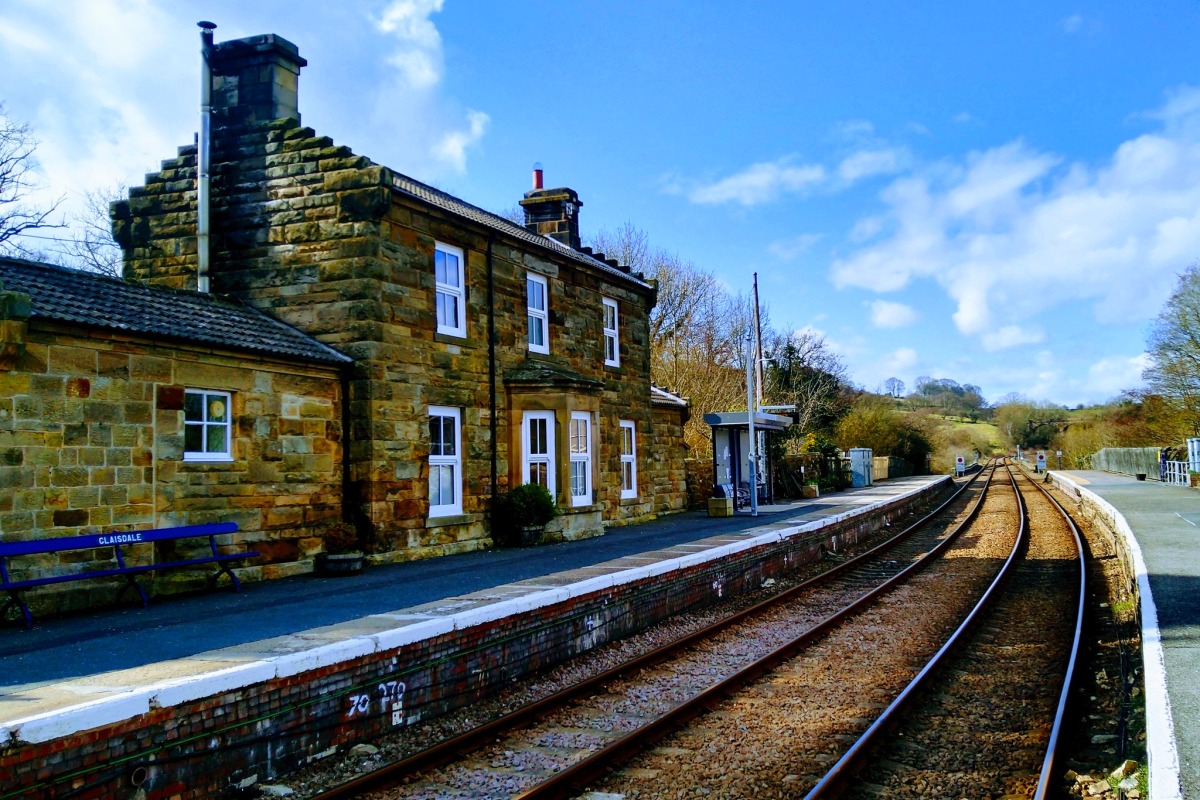
The Esk Valley Line from Whitby to Middlesbrough could benefit from a series of innovations aimed at improving services and modernising the line.
A recent report by transport consultants Stantec, commissioned by the Esk Valley Railway Development Company (EVRDC), highlights the need for investment and identifies key areas for improvement, including signalling, passing loops, and level crossing upgrades.
One of the most significant proposed innovations is the resignalling of the Esk Valley Line. The current signalling system, which relies on traditional Victorian-era key token machines and the No Signaller Key Token (NSKT) system, is a major constraint on service frequency and journey times. Drivers must manually collect and exchange tokens at multiple points along the line, adding significant time to journeys and posing safety risks.
Replacing the outdated signalling system with a modern alternative is seen as crucial to improving the line's efficiency and reliability. Several options are being considered, including conventional signalling, European Train Control System (ETCS) Level 3, Radio Electronic Token Block (RETB), and even tram-style drive-by-sight signalling with compatible rolling stock. The Stantec report estimates that resignalling could release up to 100 minutes per day, potentially allowing for four additional train paths.
In addition to resignalling, the EVRDC is exploring the use of innovative "request stop" technology. This system would allow passengers at lesser-used stations to request a train stop, similar to systems used on rural lines in Scotland and Wales. Request stops could help to maintain service to these stations while potentially allowing for faster journey times for passengers travelling longer distances.
Graham North, Rail Strategy and Performance Officer, York and North Yorkshire Combined Authority says there have been discussions with signalling companies to explore further innovations that could be implemented on the line:
The report highlights the potential for new request stop systems that would provide drivers with in-cab indications of passenger requests, further streamlining operations.
These proposed innovations are part of a broader effort to transform the Esk Valley Line into a modern and efficient railway that meets the needs of its diverse communities. The goal is to provide a reliable and attractive transport option for commuters, students, tourists, and residents of the Esk Valley villages, where the train often serves as the primary mode of public transport. By embracing innovation and working in partnership with industry stakeholders, the EVRDC is seeking to secure a brighter future for the Esk Valley Line, ensuring its continued relevance and viability in the 21st century.

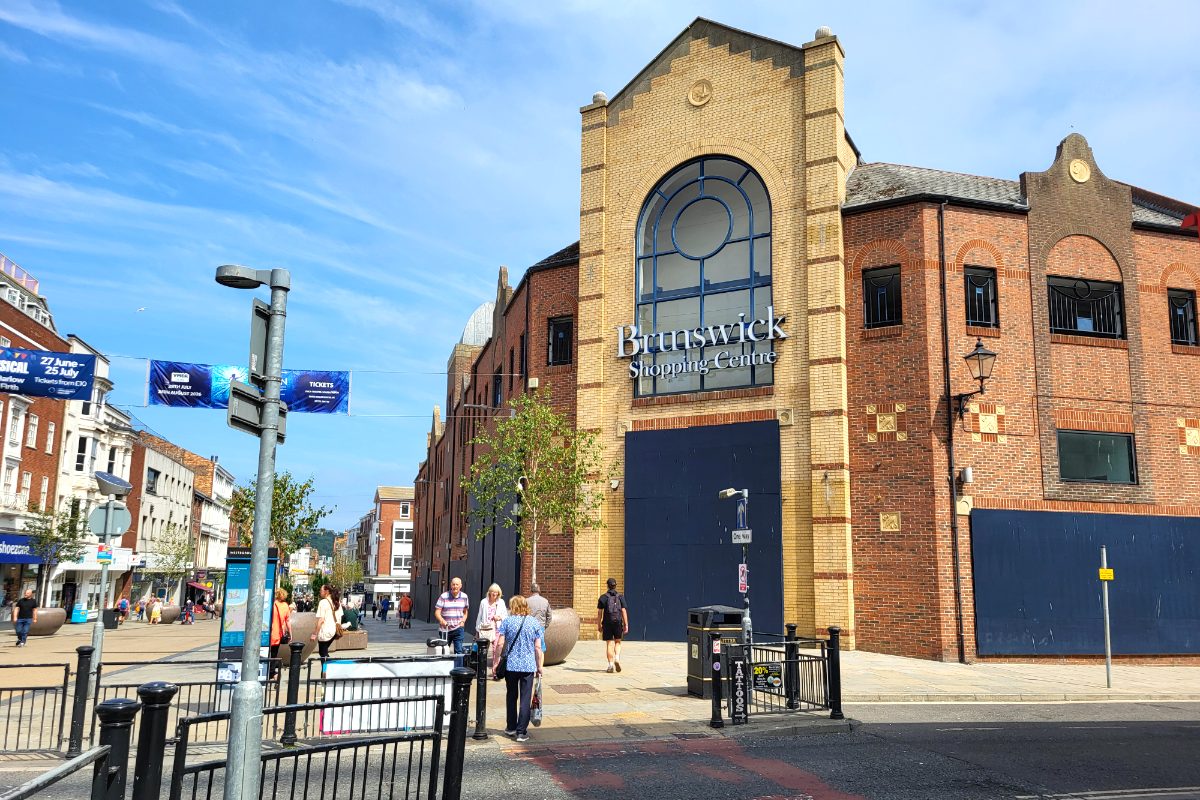 Scarborough's Brunswick Centre Redevelopment Moves Closer With Multi Million Pound Funding Package
 Free School Uniform Giveaway Returns To Scarborough This Week
 Salvaged Peasholm Park Illuminations Go On Display After Storm Boelo Cancellations
 Extracurricular Opportunities Set To Expand For Pupils In Scarborough And Whitby
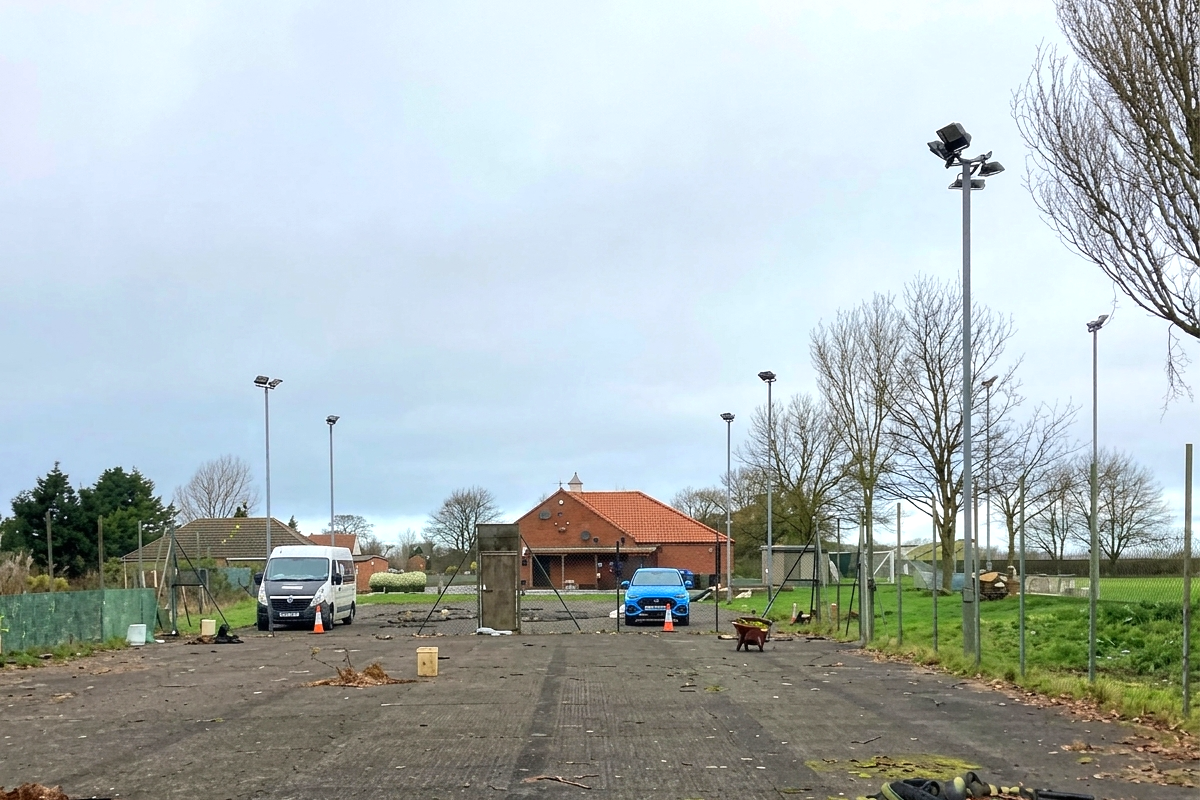 New Floodlit Sports Hub Approved For Hunmanby Playing Fields
 Concerns Public Say On New Housing Reduced As Planning Rules Shift To Officers
 Illegal Vape and Tobacco Sellers Face New Penalties Across North Yorkshire
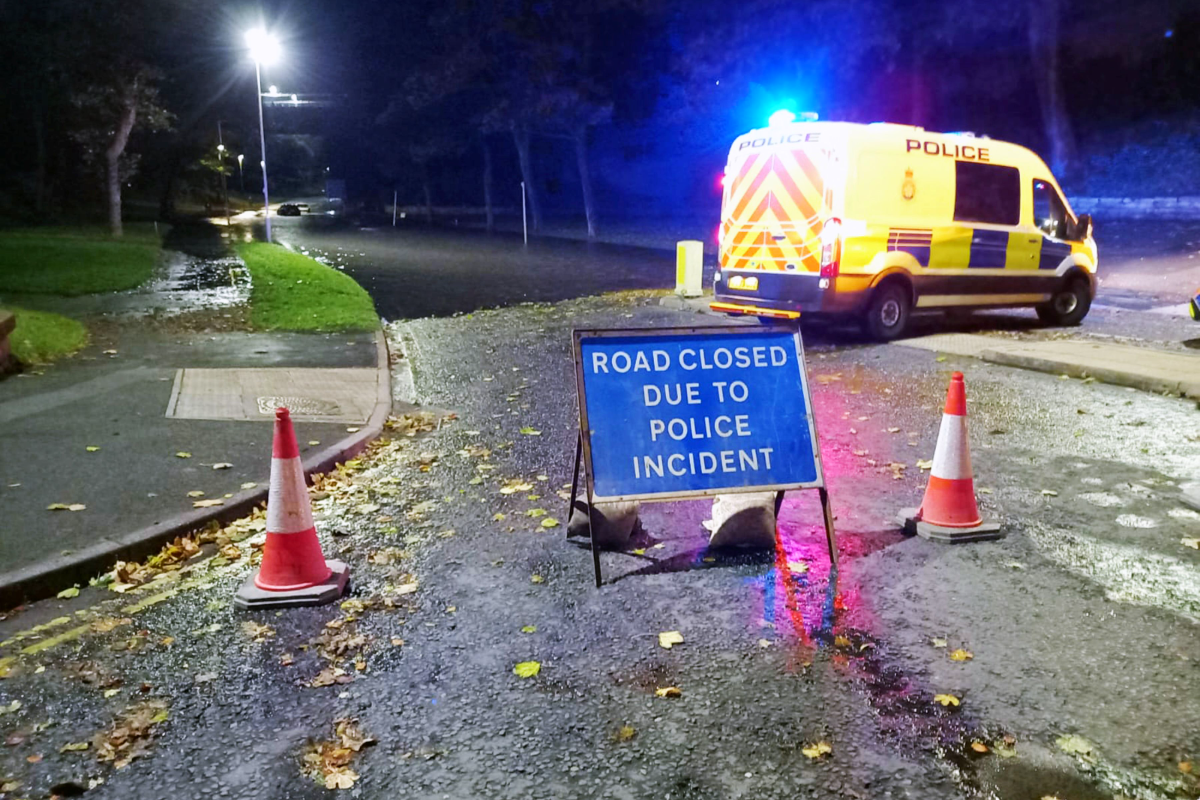 Communities Praised After Severe Autumn Storms Batter The Yorkshire Coast
 Future Housing And Jobs To Be Shaped By New County-Wide Blueprint
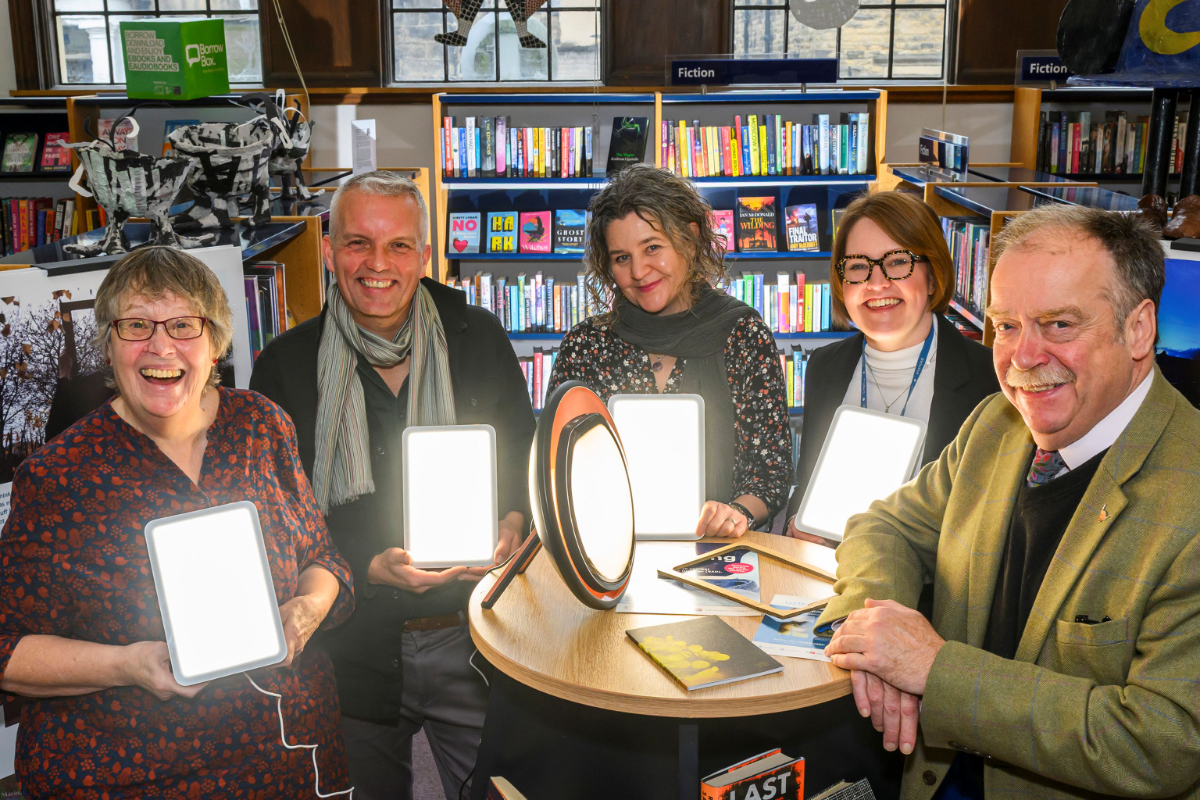 Library Light Therapy Kits Roll Out To Tackle Winter Blues In North Yorkshire
 National League North Tests For Bridlington & Scarborough In FA Trophy 2nd Round Draw
 A174 Lythe Bank Closes For Five Days With Replacement Shuttle Buses Serving Whitby













Comments
Add a comment