


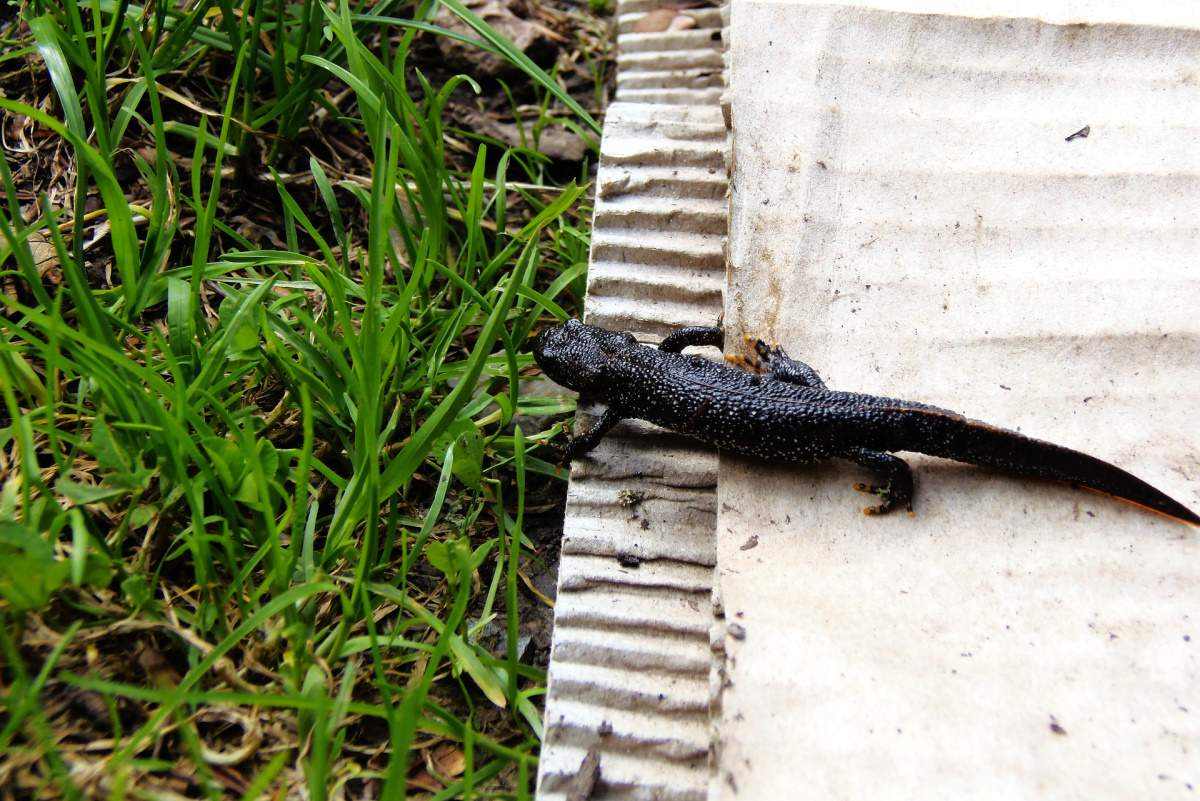
Yorkshire Wildlife Trust has applied to Ryedale District Council for permission to create habitats specifically for great crested newts on farmland at Kirby Misperton.
The charity said it has been contracted by Natural England to help reverse dramatic declines in populations of the creatures over the last 60 years, despite them being protected under UK and EU law.
The scheme is part of a recently revised Government approach to authorising developments affecting great crested newts, which sees conservation efforts focused on where they will create maximum benefit whilst reducing delays, costs, risks and uncertainty for developers.
Ecologists say the decline of the great crested newt in Ryedale is partly due to the loss of field ponds as farmers have sought to increase their yields. It is believed the creation of wildlife ponds near to existing populations is likely to be beneficial, but will require careful design and management.
Other issues which have hit populations of the creatures in North Yorkshire include the stocking of ponds with fish for ornament or sport as it often involves enlargement and deepening of ponds, fouling by feral ducks and both over-management and neglect of breeding ponds.
Plans to excavate numerous ponds at Low Carr Farm, a working farm where the trust’s Hebridean sheep are cared for in between grazing visits to nature reserves, come more than a decade after the Pickering area was identified as a hotspot for the largest of the UK’s three native newt species, which grow to 17cm long.
The farm – which could see ponds dug to a precise specification set out by great crested newt experts, and feature gently sloping sides – was selected for the scheme as it is thought existing ponds there contain the creatures.
John Thompson, the trust’s wetland creation officer, said:
“Adding these ponds into our farm will increase breeding habitat for this rare and declining amphibian, improve habitat connectivity and provide habitat for a range of other wetland wildlife. Ponds would have occurred in the corners of these fields in days gone by, but have largely been filled in now.”
In Ryedale, great crested newts have been found in more than 30 ponds. Strongholds occur around Flaxton, Lillings Ambo and the outskirts of Pickering, all areas with a high density of ponds.
If approved, the plan would add to a network of wetland habitats on farms in the Vale of Pickering, where the restoration of a nationally significant wetland landscape is underway through sensitive farm management, such as the Carrs Wetland Project.
Under that project 11 farm stewardship agreements are in place, including one at the Mesolithic settlement of Star Carr, which enables farmers to protect and restore important floodplain grassland, providing valuable habitat for waders and other threatened farmland birds. In total, the amount of wetland in the project adds up to 330 hectares.

 Scarborough Sets Sights on National Stage with 2028 Town of Culture Bid
 East Riding Council’s Housing Strategy Sparks Debate Over Ambition and Cost
 Plan to Deal with Scarborough Empty Shop Numbers
 East Riding Councillor: Why Are Our Children Worth Less Than Everyone Else's?
 Mud Rescue Drama in Whitby Harbour
 £44,000 Funding Boost to Help Coastal Communities Feel More Connected and Supported
 Maximum Tax Increase for Humberside Fire Authority Leaves it £3.5m Short
 £150,000 Funding to Reduce Winter Deaths in North Yorkshire
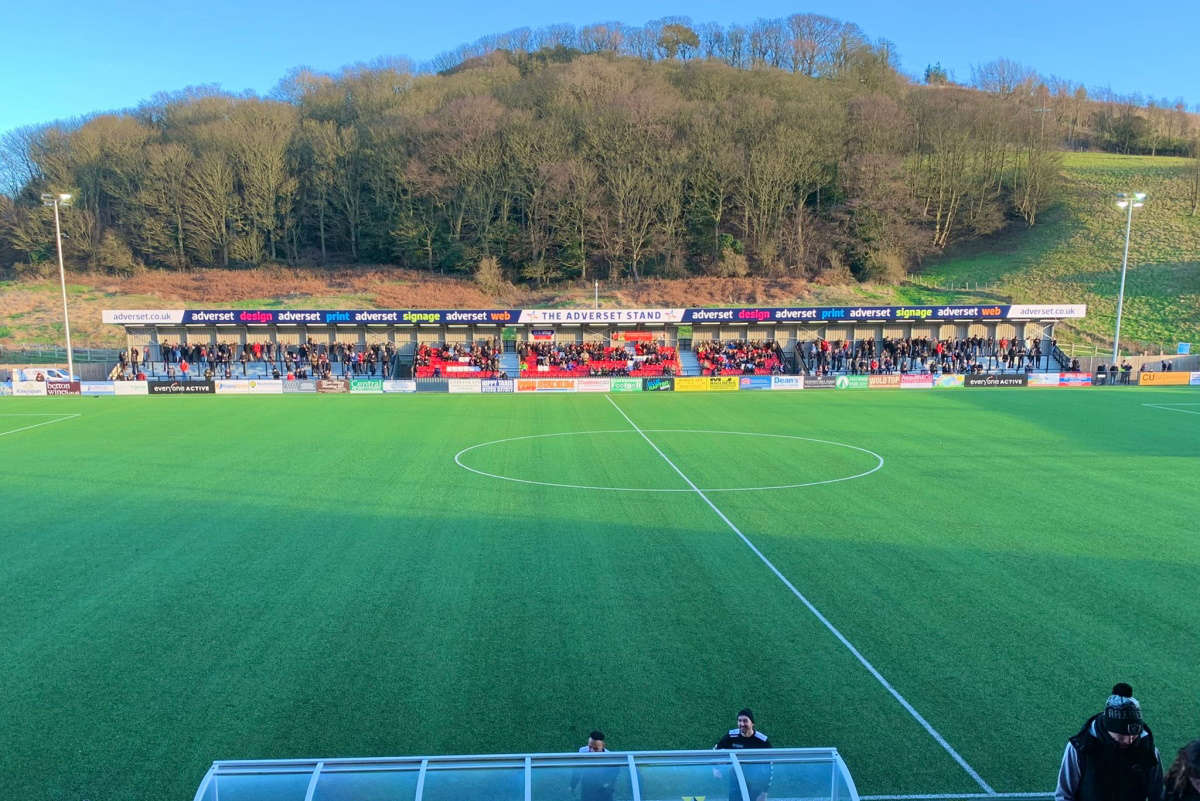 North Yorkshire Council Approves £150,000 Financial Support for Scarborough Athletic Football Club
 Yorkshire Coast Awaits Next Steps as National Visitor Levy Consultation Concludes
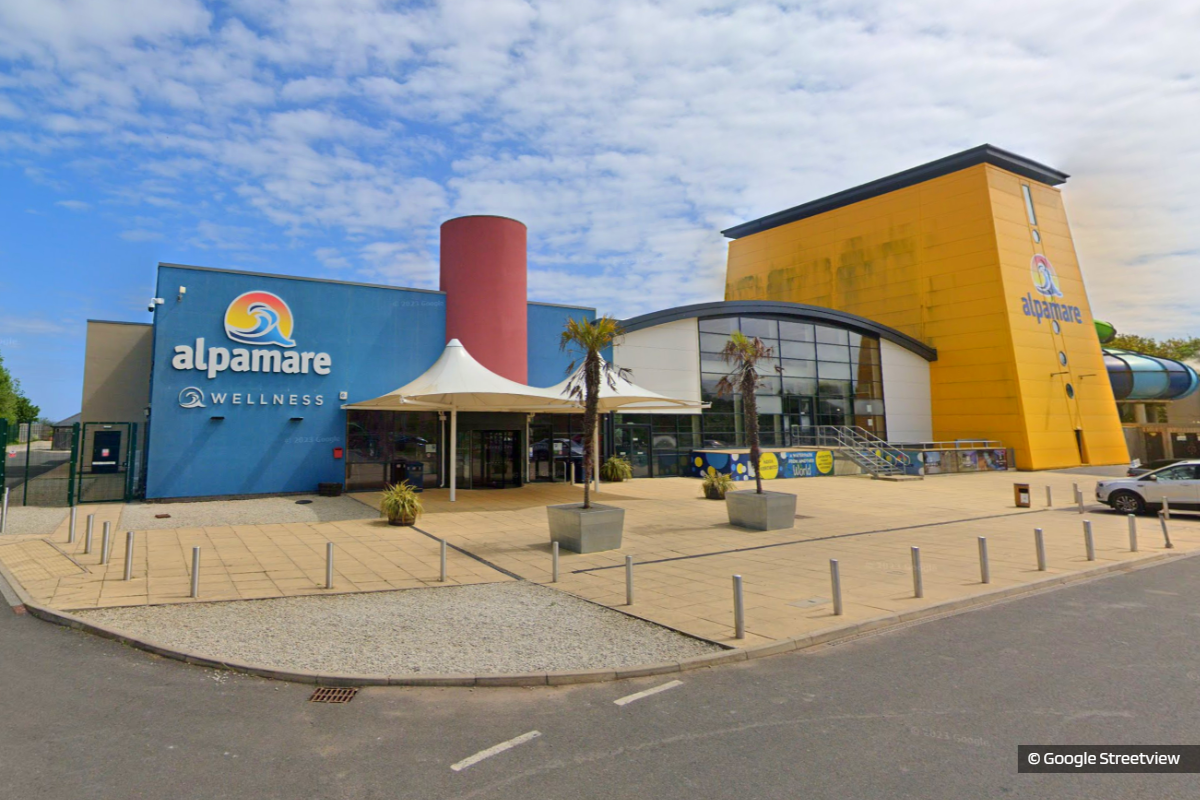 Council Update on Operation of Scarborough's Alpamare Water Park
 Whitby Town New Managers Beaten On Debut After Last Gasp Killer Blow









Comments
Add a comment