


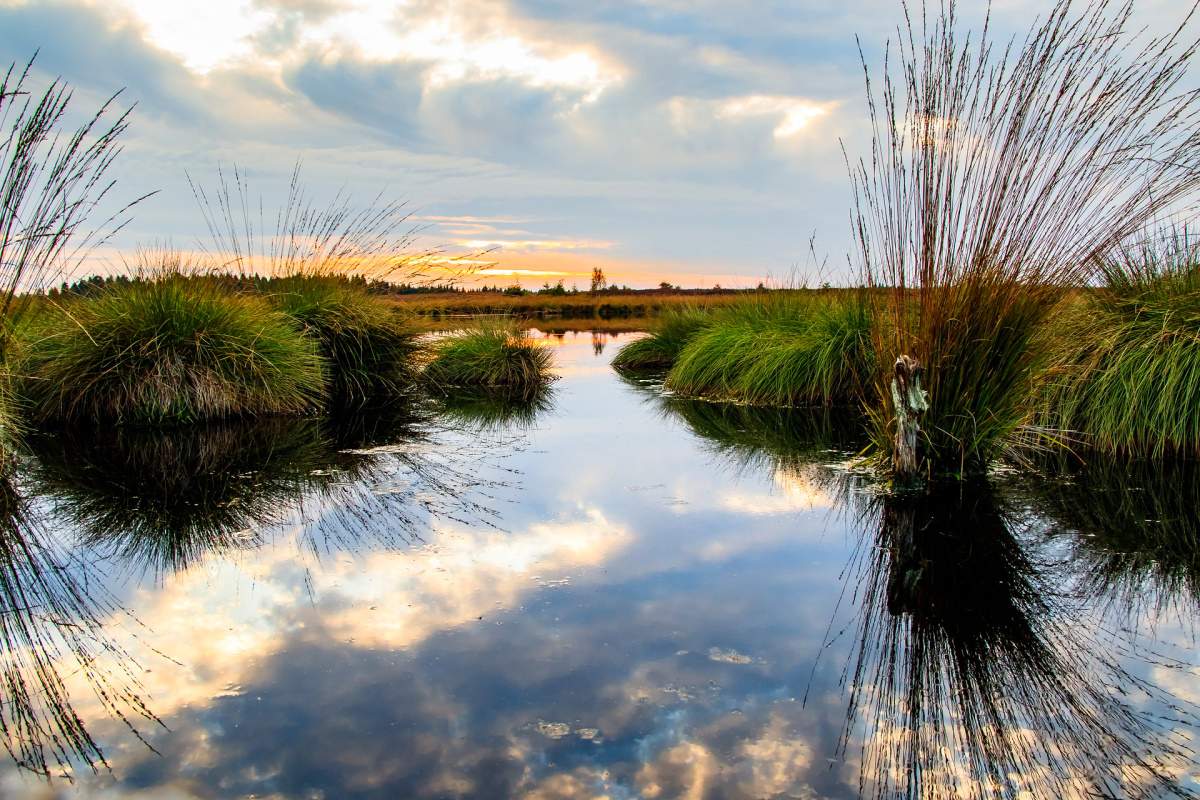
Plans have been submitted to create more wetland habitats at Lythe, near Whitby.
An aristocrat’s North York Moors estate has unveiled a plan to transform more of its working farmland and woodlands into wetland habitats with the sole purpose of improving biodiversity and wildlife connectivity in the national park.
The Mulgrave Estate, which has been the Marquis of Normanby’s family seat since the 18th century, has lodged a planning application to create a brighter future for birds, species such as dragonflies and damselflies, and many other creatures by creating conservation ponds on part of its 15,000-acre estate at Lythe, near Whitby.
In documents submitted to the North York Moors National Park Authority, the estate highlights how Sir John Lawton’s review of England’s wildlife sites and ecological network in 2010 identified the country’s wildlife habitats do not represent a coherent and resilient ecological network.
The estate’s application said while addressing gaps in connectivity between wildlife habitats was a key ambition of the authority, changing conditions could see current habitats and food sources such as moorland and grassland threatened by the introduction of new or invasive species. It warned other species such as dragonflies could become stranded in small pockets of suitable habitats.
The estate stated it planned to create numerous ponds to encourage and maintain populations of important species, increasing the ecological diversity and improving wetland and habitat connectivity in the area more generally.
The documents state:
“There is much evidence to show that the creation of small ponds within grassland and field margins has a significantly positive impact upon the ecology of the area.
“It must be noted that this project is being done for the sole purpose of ecological gain on the site and improving wetland habitat connectivity in the area.”
Jim Bailey, chairman of the North York Moors National Park Authority, said the body was trying to be more strategic in supporting the creation of habitats and the movement of wildlife, as well as being more specific in planning for it.
Mr Bailey, who runs a farm at Appleton le Moors, said consultations with farmers in the national park to help develop the government’s new agriculture support and environmental land management schemes had confirmed they were dedicated to supporting nature-based environments, but many also had modest livelihoods.
He said:
“Farmers want to do the right thing, but they need help to do that. In the North York Moors we are thinking really hard about what our farmers can and need to do with the new government schemes. We need to refocus some of the money that we have spent on just farming to farming in a way that is sensitive and productive to wildlife biodiversity as well. It is not just a farm by farm requirement, we need a coordinated picture so wildlife can move about as it needs to. Obviously ponds and diverse habitats are part of that.
“Nature is a great help if you work with it. If you start to work against nature you get all sorts of problems.”

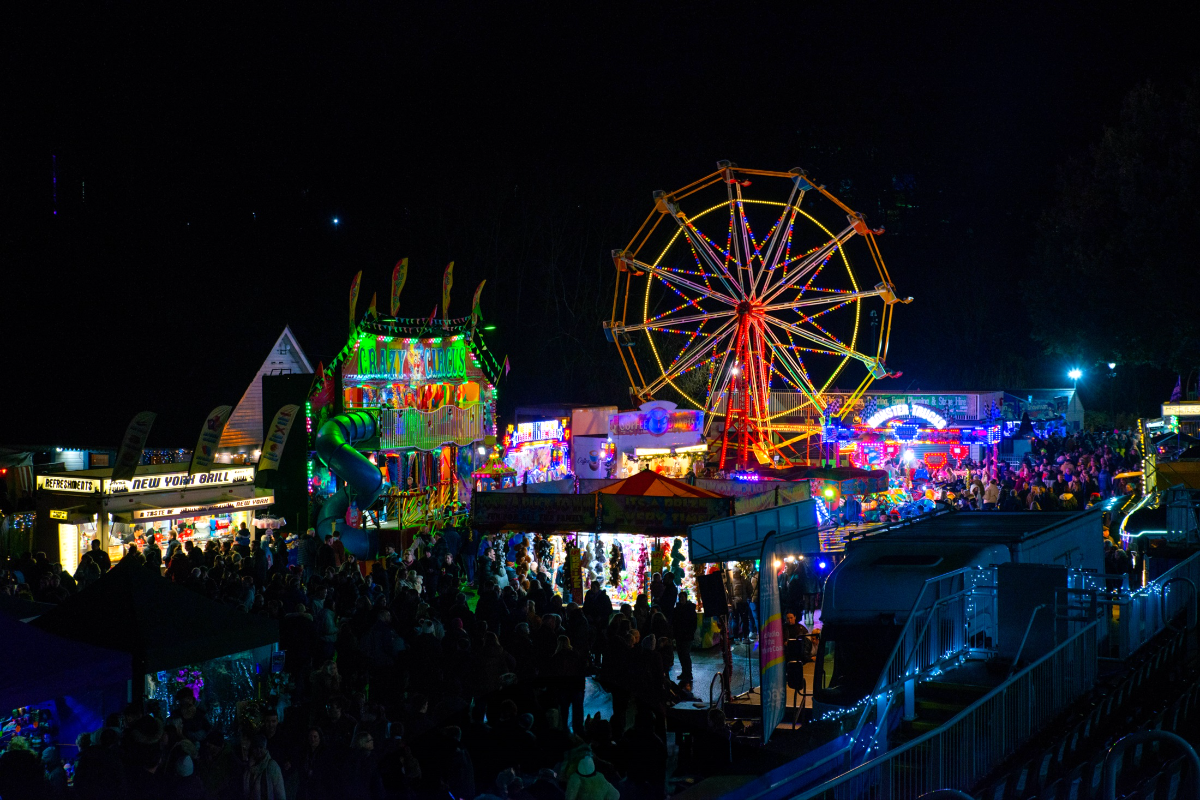 Scarborough Sparkle Returns This Weekend
 New Partnership Sees Foodbank Donation Stations at East Riding Council Buildings
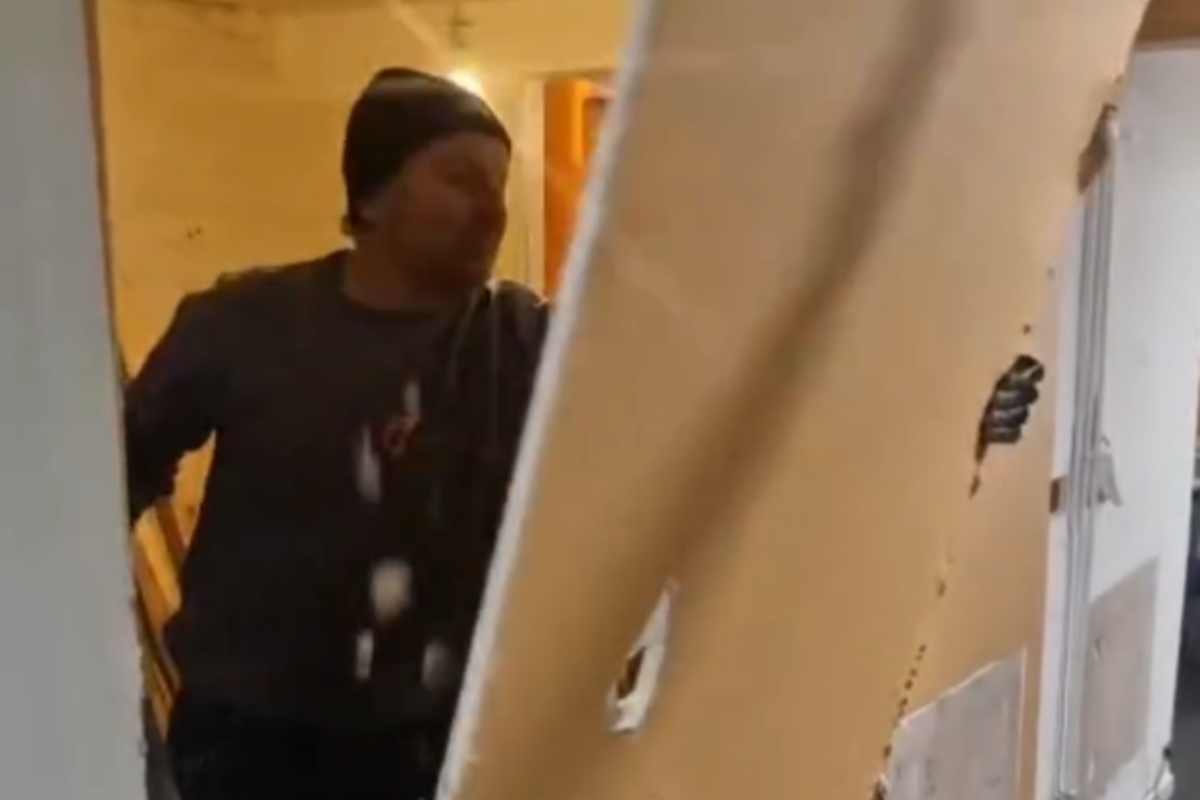 Scarborough's Rainbow Centre Finds Hidden Room
 Scarborough MP "Saddened" as Bingo Hall Closes
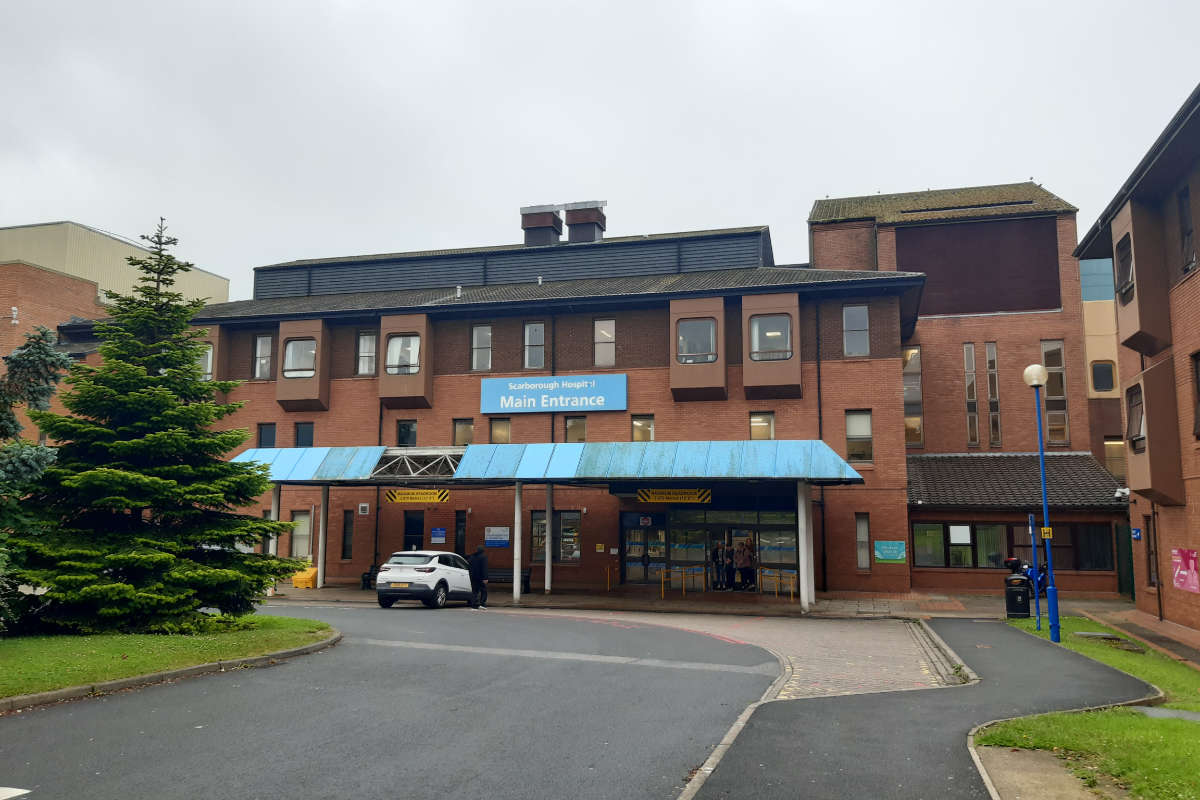 Demolition of Scarborough Hospital Link Bridge Approved
 Whitby RNLI Crew Rescue Dog and Owners After Cliff Fall
 Government Urged to Return Stroke Service to Scarborough Hospital
 Scarborough Rainbow Centre Launches £10,000 Christmas Appeal Amidst Rising Family Struggles
 North Yorkshire’s Mayor Welcomes ‘Landmark’ Budget and New Tourism Tax Powers
 Yorkshire Hosepipe Ban Could Be Lifted in Weeks
 More Mopeds, Motorbikes, and Cement Mixers Stolen as Theft Reports Increase on Rural Yorkshire Coast
 Bridlington Woman Admits Causing Death of Young Boy’s Parents









Comments
Add a comment